
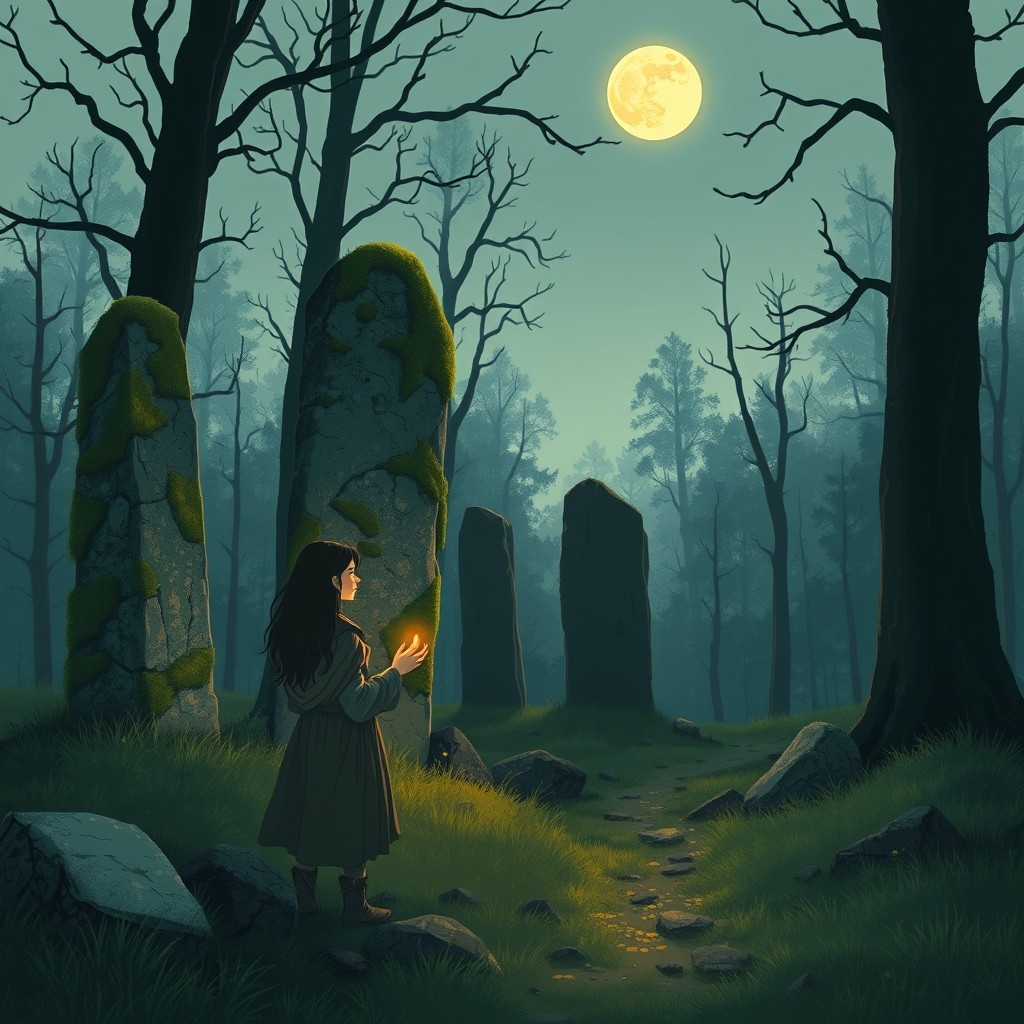
It’s truly heartening to observe the increasing presence of Pagan and Witchcraft themes within mainstream media outlets. This growing visibility allows for wider understanding and sparks meaningful conversations about our diverse spiritual paths. From local Samhain gatherings being highlighted to fascinating explorations of historical figures like the fabled Leestown Witch, these stories offer a glimpse into the rich tapestry of spiritual expression. We also see a clear sign of our times with Gen Z actively seeking guidance from witches and tarot readers, showcasing a widespread yearning for connection and meaning in an often overwhelming world.
Beyond current events, the realm of archaeology continues to unveil incredible insights into our ancestors’ spiritual practices. Discoveries like ancient Swedish calendars, Roman inscriptions dedicated to a mysterious goddess named ‘Domina,’ and hints of prehistoric ‘magic’ rituals in burnt Australian grass resonate deeply with our connection to the past. It’s also crucial to acknowledge and challenge misinformation, especially when harmful comparisons, such as linking ancient Pagan traditions to atrocities like child sacrifice, surface in media. By highlighting these instances, we can actively counter smear campaigns and ensure a more accurate representation of our rich heritage.
These diverse reports, from contemporary cultural trends to profound archaeological finds, collectively weave a narrative of an enduring spiritual quest. They remind us of the deep human need to connect with the sacred, to understand the cycles of nature, and to honor the wisdom passed down through generations. Our path today is one of respectful engagement with both ancient roots and modern sensibilities, always centered on the natural world. Embracing this journey, we continue to cultivate a vibrant, ethical, and deeply personal practice that honors the Earth and all its mysteries.
Source: original article · prepared with AI assistance for a contemporary Pagan audience.