Today is Saturday, 2026-11-28 — a good day to look up at the sky and remember where you stand in the turning of the year.
🌙 The Moon Tonight
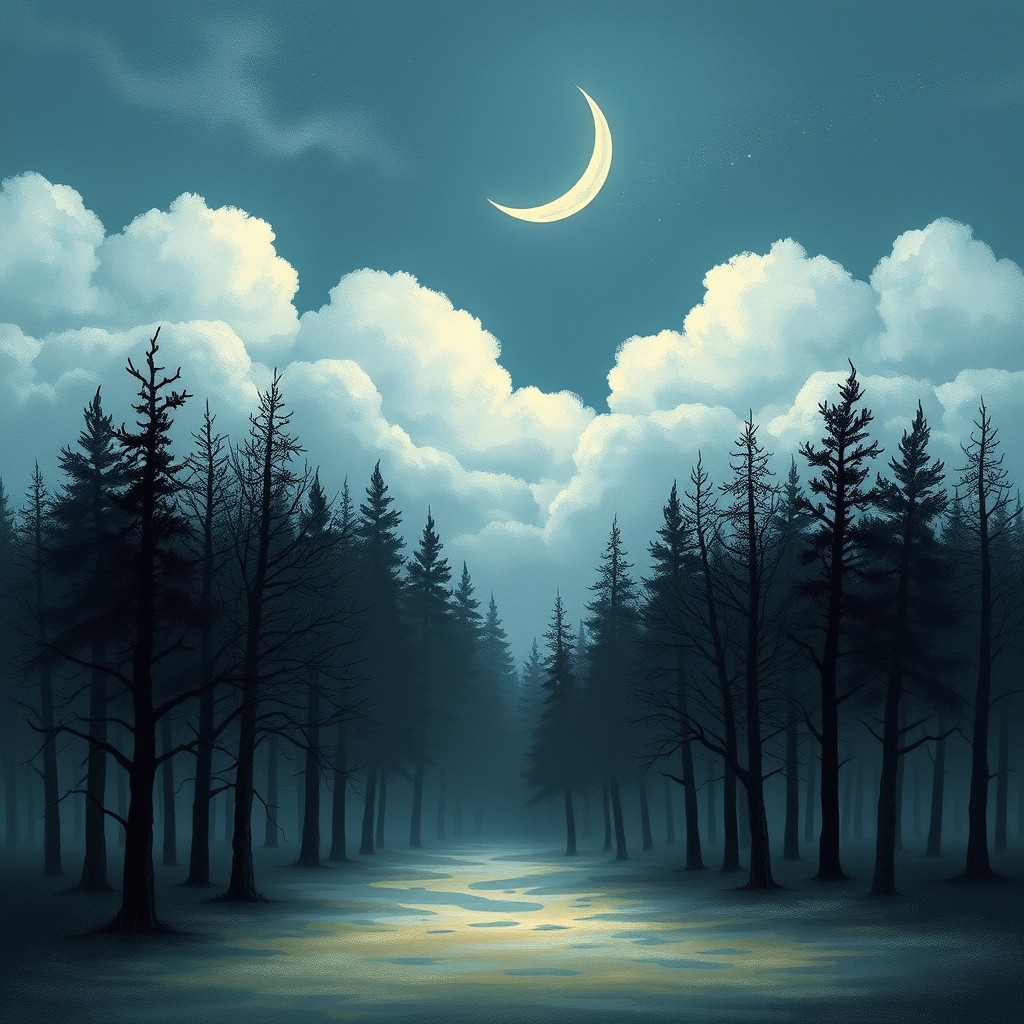
The Moon is Waning Gibbous (78% illuminated) and waning. It is 19.3 days through its cycle. The next full moon falls on 2026-12-24 — a natural moment for release, gratitude and rest.
🕯️ The Wheel of the Year
The next sabbat is Yule (Dec 20-23) — In 23 days, on 2026-12-21. Winter solstice. The longest night, when the Sun is reborn — the return of light, warmth and hope at the heart of the winter festival tradition.
☀️ Today’s Energy
Today is Saturday, under the light of Saturn. Saturn’s day: discipline, boundaries, patience and the harvest of time. A slower, steadier energy for finishing what was begun. Companion rune: Nauthiz (ᚾ), the fire struck from need.
ᚱ Rune of the Day — ᚱ Raidho
Keywords: journey, rhythm. The wheeled way — travel, right timing and the rhythm of the road.
💫 Daily Reflection
Under the gentle arc of the waning gibbous moon, its light steadily receding, we find ourselves in a time of natural release. This Saturday, governed by the quiet wisdom of Saturn, invites us to reflect on our journey, much like the rune Raidho guides us to consider the wheeled way. There’s a subtle rhythm to our days, a natural flow of progress and pause. With Yule just weeks away, preparing for winter’s deep embrace, we can mindfully release what no longer serves our path, trusting in the inherent timing of the seasons and our own unfolding story. Embrace the steady pace.
Daily Pagan Almanac — calculated from real astronomical data (lunar cycle, solstices & equinoxes) and the authentic weekday tradition.
A moment with your world
Notice the texture of a fallen leaf or stone visually, leaving it where it is. You can also use a memory or photograph.
A question to carry with you
What can you appreciate without owning it?
Learning corner: Moon phase times
The U.S. Naval Observatory publishes primary Moon phase times in Universal Time. Convert the event time to your own time zone before treating its date as your local date.
Read more: U.S. Naval Observatory
Wherever you are
Follow the season you experience locally: changing daylight, rainfall, flowering, or wildlife may be more meaningful to you than a four-season calendar. Northern and Southern Hemisphere seasonal calendars differ, and observances vary by tradition.
Reflect privately, or discuss the question with your community.