
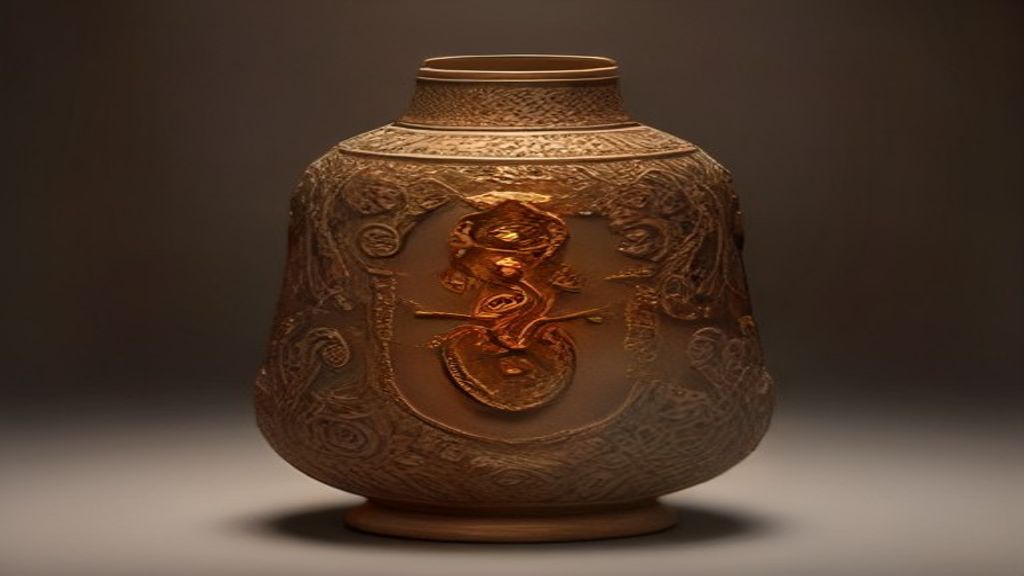
The recent discovery of a unique serpent-adorned vessel in a Roman villa in Spain offers a fascinating glimpse into the rich tapestry of ancient spiritual practices. This rare find is believed to be early evidence of the mystery cult of Sabazios, a deity whose reverence journeyed across the vast Mediterranean world. For us, as modern Pagans, such discoveries are more than just archaeological curiosities; they are echoes from a past where spirituality was deeply intertwined with the rhythms of nature and the mysteries of existence. It reminds us of the enduring human quest for connection to the divine, a quest that manifests in diverse forms across cultures and centuries, yet often shares underlying themes of reverence for life’s cycles and sacred symbolism.
Sabazios, a deity often associated with vegetation, horses, and, significantly, serpents, held a prominent place in various mystery traditions. The serpent, a powerful symbol across countless ancient cultures, embodies renewal, transformation, and chthonic wisdom. Its shedding of skin represents rebirth and regeneration, making it a fitting emblem for a mystery cult that likely focused on profound personal transformation and deeper understanding of life’s hidden truths. This vessel, intricately decorated with serpentine motifs, serves as a tangible link to those who once honored Sabazios, inviting us to ponder the ways in which our ancestors sought spiritual enlightenment and expressed their devotion through sacred objects and symbolic art. It highlights the universality of certain symbols that resonate deeply with the human psyche.
The journey of the Sabazios cult from its possible Phrygian or Thracian origins to Roman Spain beautifully illustrates how spiritual traditions flowed and adapted across geographical and cultural boundaries in the ancient world. This fluidity mirrors the organic evolution of spiritual paths, where ideas and devotions mingle and transform over time. For contemporary Pagans, this finding is a powerful reminder of our spiritual lineage, connecting us to a long history of earth-centered and deity-honoring practices. It encourages us to reflect on how ancient wisdom and symbolism continue to inspire and inform our own paths today, fostering a sense of continuity and shared heritage with those who walked sacred paths millennia ago. We are part of a living tradition, ever-evolving yet rooted in timeless reverence.
Source: original article · prepared with AI assistance for a contemporary Pagan audience.